IoT, Automation & Predictive Maintenance: The Future of Home Services Platforms
The home services industry is no longer just about fixing problems it’s about preventing them before they happen. From HVAC systems that alert technicians before failure to plumbing systems that detect leaks in real time, technology is reshaping how service businesses operate. Today, IoT in home services, AI automation in field service management, and predictive […]
Table of Contents
April 7, 2026
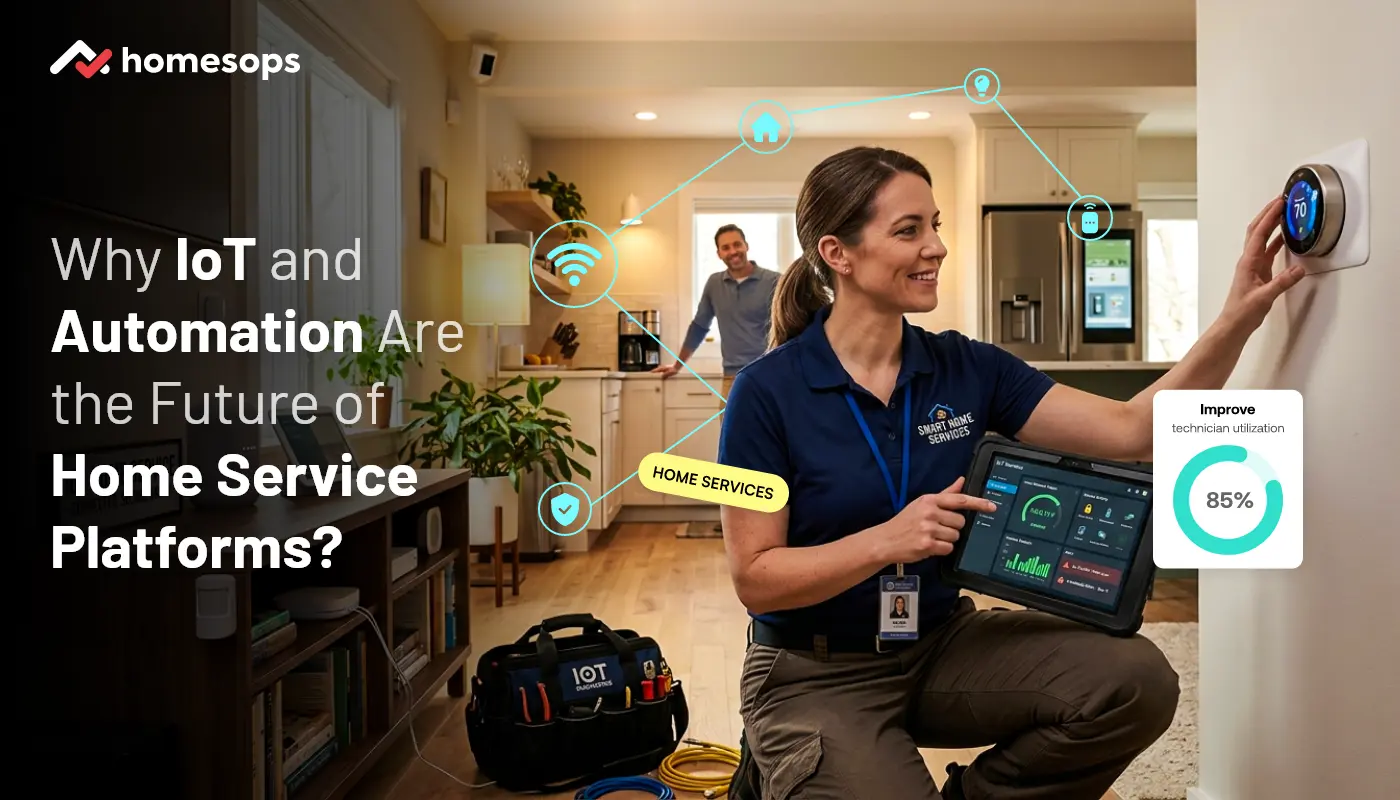
The home services industry is no longer just about fixing problems it’s about preventing them before they happen. From HVAC systems that alert technicians before failure to plumbing systems that detect leaks in real time, technology is reshaping how service businesses operate.
Today, IoT in home services, AI automation in field service management, and predictive maintenance software for HVAC are driving a massive shift. Businesses are moving from reactive service models to proactive, data-driven operations and platforms like HomesOps are at the center of this transformation.
Let’s break down how these technologies are redefining the future of home services.
The Shift from Reactive to Predictive Home Services
Traditionally, home services followed a simple pattern: something breaks, the customer calls, and a technician fixes it. While this model works, it often leads to:
- Unexpected breakdowns
- Higher repair costs
- Customer dissatisfaction
- Inefficient technician utilization
Now, with IoT-based maintenance solutions, service providers can monitor equipment in real time. Sensors embedded in HVAC systems, water pipelines, or electrical units continuously collect data temperature, pressure, performance patterns and send alerts when something seems off.
This is where predictive maintenance for plumbing services and HVAC systems becomes powerful. Instead of waiting for failure, businesses can act early, saving time, cost, and reputation.
How IoT is Transforming Home Service Operations
At the core of this evolution lies the Internet of Things.
IoT in home services enables devices, systems, and platforms to communicate seamlessly. Smart thermostats, leak detectors, energy meters, and connected appliances generate real-time insights that service platforms can use to make intelligent decisions.
Here’s how it improves operations:
- Real-time monitoring: Detect issues instantly before they escalate
- Remote diagnostics: Technicians can assess problems without visiting the site
- Faster response times: Automated alerts trigger immediate action
- Data-driven decisions: Historical data helps predict recurring failures
For example, an HVAC system equipped with sensors can notify the platform about unusual temperature fluctuations. The system can automatically schedule a technician visit before a complete breakdown occurs.
This level of intelligence is what defines modern smart home service platforms.
Predictive Maintenance: Preventing Problems Before They Happen
Predictive maintenance is one of the most impactful innovations in home services.
Using machine learning and historical data, predictive maintenance software for HVAC and plumbing systems analyzes patterns to forecast failures. It considers variables like:
- Usage frequency
- Environmental conditions
- Performance degradation
- Historical repair data
For instance, if an HVAC unit shows consistent pressure drops over time, the system can predict when it’s likely to fail and trigger a service request in advance.
Similarly, predictive maintenance for plumbing services can detect early signs of pipe corrosion or leakage, preventing costly water damage.
This proactive approach leads to:
- Reduced emergency repairs
- Lower operational costs
- Increased equipment lifespan
- Improved customer trust
In short, predictive maintenance shifts the entire business model from repair-driven to reliability-driven.
Automation: The Backbone of Modern Field Service Management
While IoT provides data, automation ensures that the right action is taken instantly.
AI automation in field service management eliminates manual processes and streamlines operations across the board. From job assignment to invoicing, automation tools handle repetitive tasks with precision.
Key capabilities of home services automation software include:
- Auto job scheduling: Assigning tasks based on availability, location, and urgency
- Smart dispatching: Sending the nearest technician to reduce travel time
- Workflow automation: Managing service requests from start to finish
- Automated billing and reporting: Reducing administrative overhead
This is where field service automation tools become essential. They not only improve efficiency but also reduce human errors, enabling businesses to scale faster.
Smart Scheduling: Maximizing Efficiency and Revenue
One of the biggest challenges in home services is scheduling.
Manual scheduling often leads to delays, overlaps, and inefficient routes. However, smart scheduling for service businesses uses AI and real-time data to optimize technician assignments.
Smart scheduling systems consider:
- Technician skills and availability
- Traffic conditions and travel time
- Job priority and urgency
- Customer preferences
The result?
- More jobs completed per day
- Reduced fuel and travel costs
- Improved customer satisfaction
- Better workforce utilization
For growing service businesses, this level of optimization is a game changer.
Real-Time Data: The Hidden Advantage of Smart Platforms
Modern smart home service platforms rely heavily on real-time data to enhance performance.
From tracking technician locations to monitoring equipment health, data flows continuously across the system. This enables businesses to:
- Make faster decisions
- Improve service accuracy
- Reduce downtime
- Enhance customer experience
For example, if a technician is delayed, the system can automatically notify the customer and adjust schedules. If equipment shows unusual behavior, the system can trigger alerts and preventive actions.
This real-time intelligence is what makes IoT-based maintenance solutions truly powerful.
Benefits of Smart Home Service Platforms
Adopting a modern, connected platform offers significant advantages:
- Improved Operational Efficiency: Automation and IoT reduce manual work and streamline workflows.
- Cost Reduction: Predictive maintenance minimizes emergency repairs and unnecessary visits.
- Better Customer Experience: Proactive service builds trust and improves retention.
- Scalability: With white-label home services platforms, businesses can expand without rebuilding infrastructure.
- Data-Driven Growth: Analytics help identify trends, optimize services, and improve decision-making.
Why White-Label Platforms Are Accelerating Innovation
For many businesses, building a platform from scratch is expensive and time-consuming.
This is where a white-label home services platform becomes valuable. It provides:
- Ready-to-use infrastructure
- Built-in automation tools
- IoT integration capabilities
- Custom branding options
- Faster time-to-market
With white-label solutions, even small and mid-sized service providers can adopt advanced technologies like IoT and predictive maintenance without heavy investment.
The Future: Fully Connected, Intelligent Service Ecosystems
The future of home services is not just digital it’s intelligent and interconnected.
We are moving toward ecosystems where:
- Devices communicate with platforms in real time
- AI predicts issues before they occur
- Automation handles operations seamlessly
- Customers experience zero downtime
Imagine a home where your HVAC system schedules its own maintenance, your plumbing system alerts you about leaks before damage occurs, and your service provider resolves issues without you even making a call.
That’s not the future it’s already happening.
Final Thoughts
The convergence of IoT in home services, AI automation in field service management, and predictive maintenance software for HVAC is transforming the industry at its core.
Businesses that adopt these technologies today will not only improve efficiency but also build stronger customer relationships and unlock new revenue opportunities.
Platforms like HomesOps are enabling this transformation by bringing together smart scheduling for service businesses, field service automation tools, and IoT-based maintenance solutions into one unified ecosystem.
The question is no longer if service businesses should adopt these technologies it’s how fast they can implement them to stay ahead.
Move from Reactive Fixes to Predictive Service with HomesOps
Don’t wait for breakdowns to happen. With IoT-powered monitoring, AI automation, and predictive maintenance, HomesOps helps you detect issues early, automate workflows, and deliver faster, more reliable service.
Optimize operations, reduce costs, and keep customers satisfied with a smarter, proactive approach.
Predictive maintenance uses IoT sensors, AI algorithms, machine learning models, and real-time data analytics to monitor equipment health and forecast failures accurately.
Automation reduces manual tasks, optimizes scheduling, and improves job allocation, allowing technicians to complete more jobs efficiently with minimal downtime.
Yes, with scalable and white-label platforms, small businesses can implement IoT solutions without heavy upfront investment or complex infrastructure requirements.
White-label platforms offer pre-built automation tools, customizable features, and scalable infrastructure, enabling businesses to grow quickly without rebuilding systems from scratch.
Data analytics helps track performance, predict failures, optimize operations, and improve decision-making, ensuring better service delivery and business growth.
Discuss Your Project
Latest Blogs
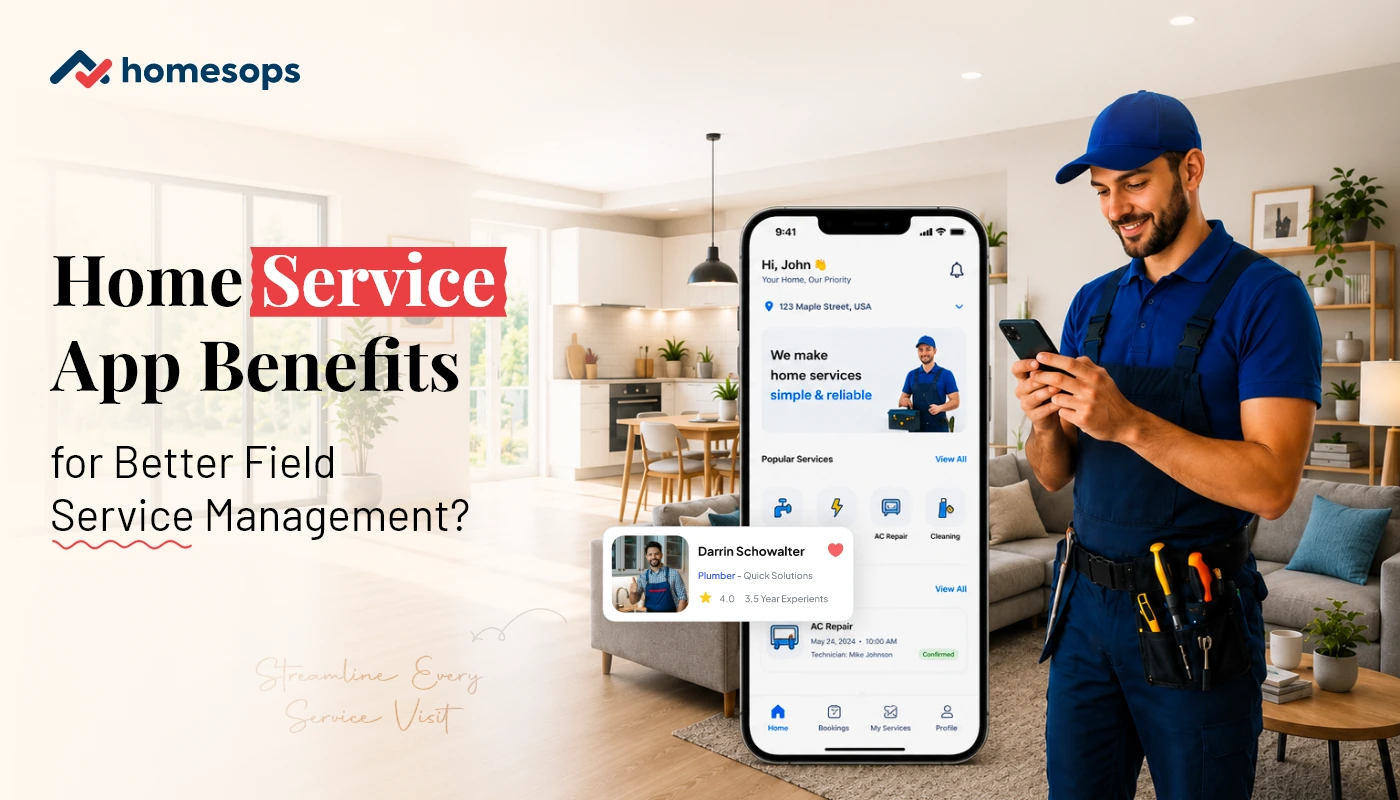
How Home Service Apps Improve Field Service Management Efficiency?
A home services app improves field service management efficiency by automating scheduling, dispatch, job tracking and customer communication, replacing manual processes that slow technicians down and cost businesses revenue. For HVAC, plumbing, roofing and handyman... Read more
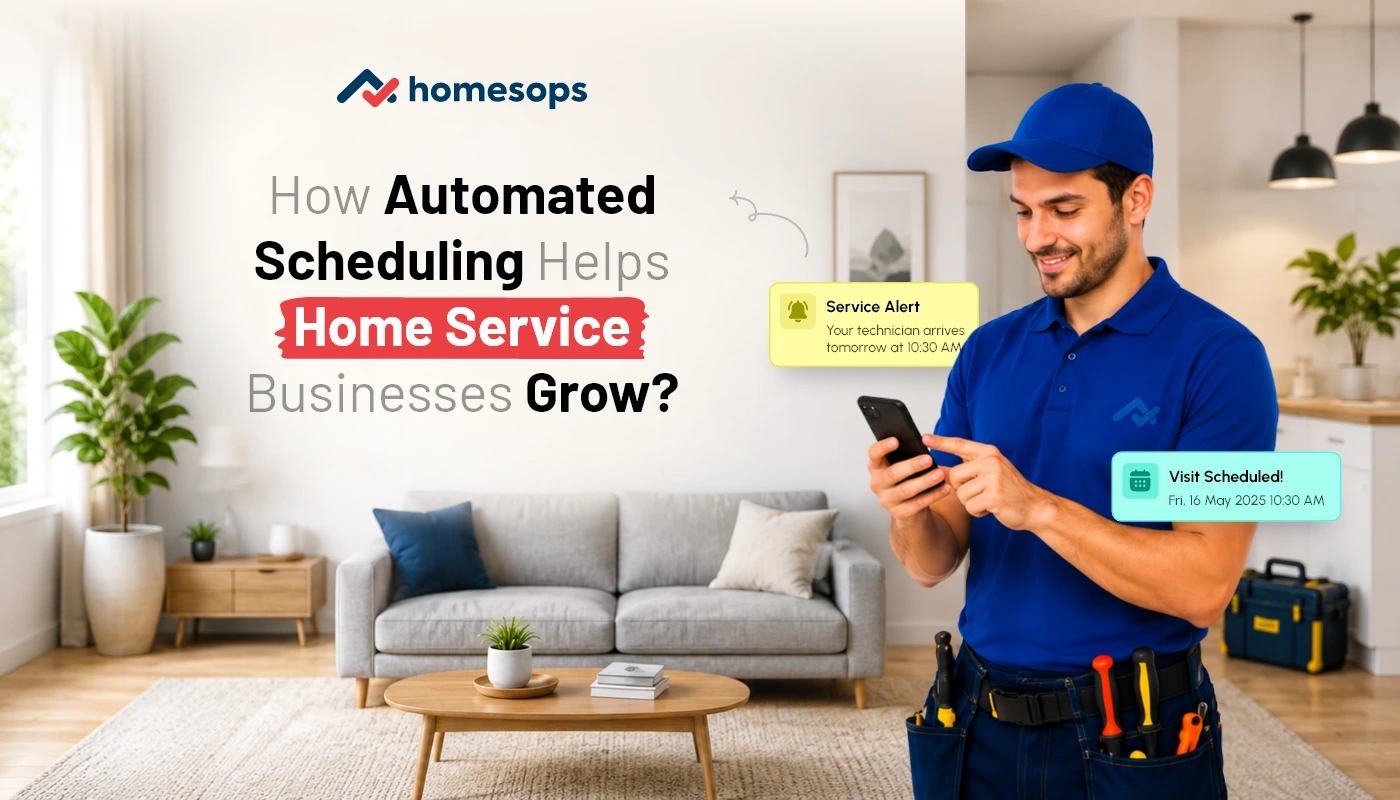
How Home Service Businesses Can Automate Booking and Scheduling?
Home service businesses can automate booking and scheduling by using a centralized platform that lets customers select services, view available time slots, confirm appointments, receive reminders and track technicians without calling the office. The same... Read more
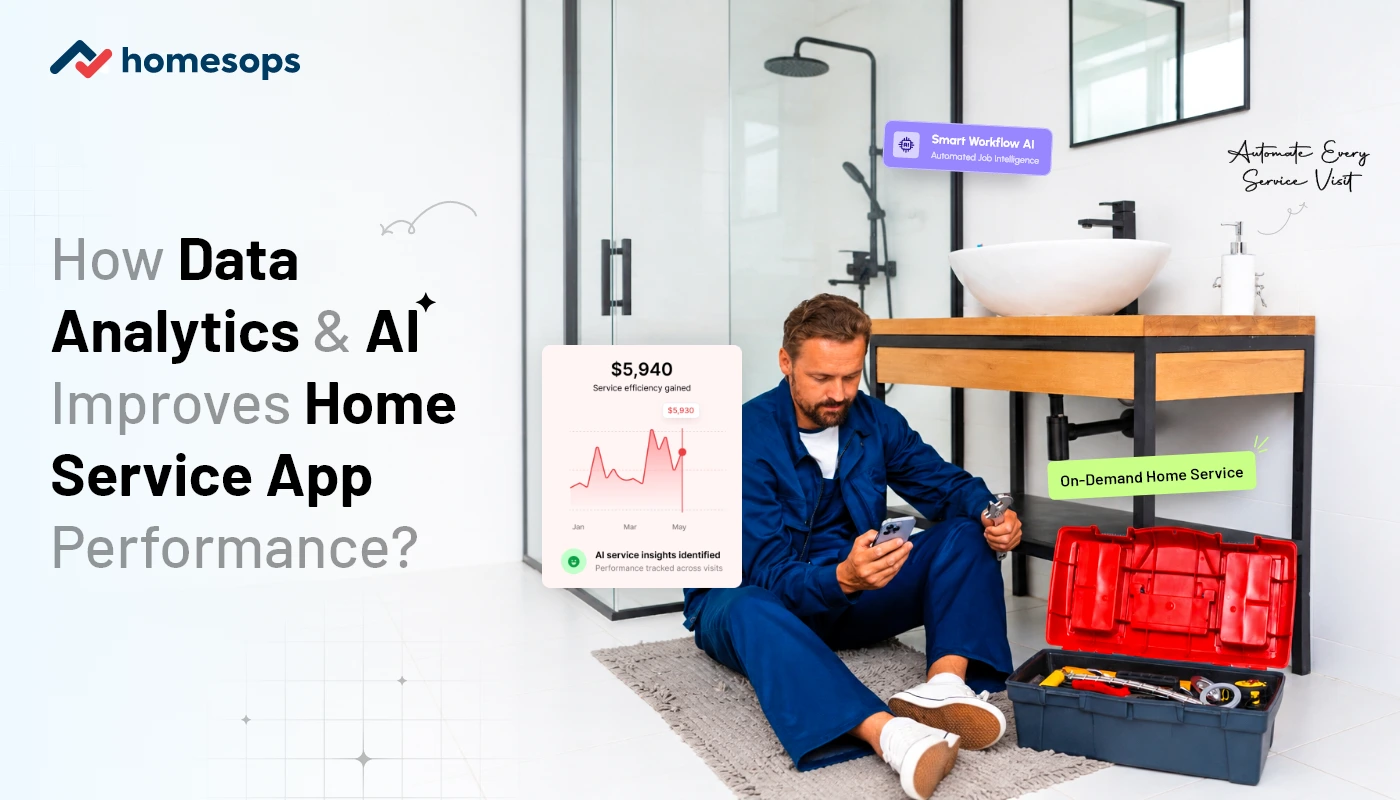
How AI & Data Analytics Improve Customer Experience in Home Services Apps
Customer expectations in home services have changed. People no longer want to call multiple times, wait for vague arrival windows, explain the same issue again, or wonder when a technician will show up. They want... Read more