How Home Service Businesses Can Automate Booking and Scheduling?
Home service businesses can automate booking and scheduling by using a centralized platform that lets customers select services, view available time slots, confirm appointments, receive reminders and track technicians without calling the office. The same system can automatically create work orders, assign qualified technicians, update calendars, send notifications and reschedule appointments when availability changes. This […]
Table of Contents
June 24, 2026
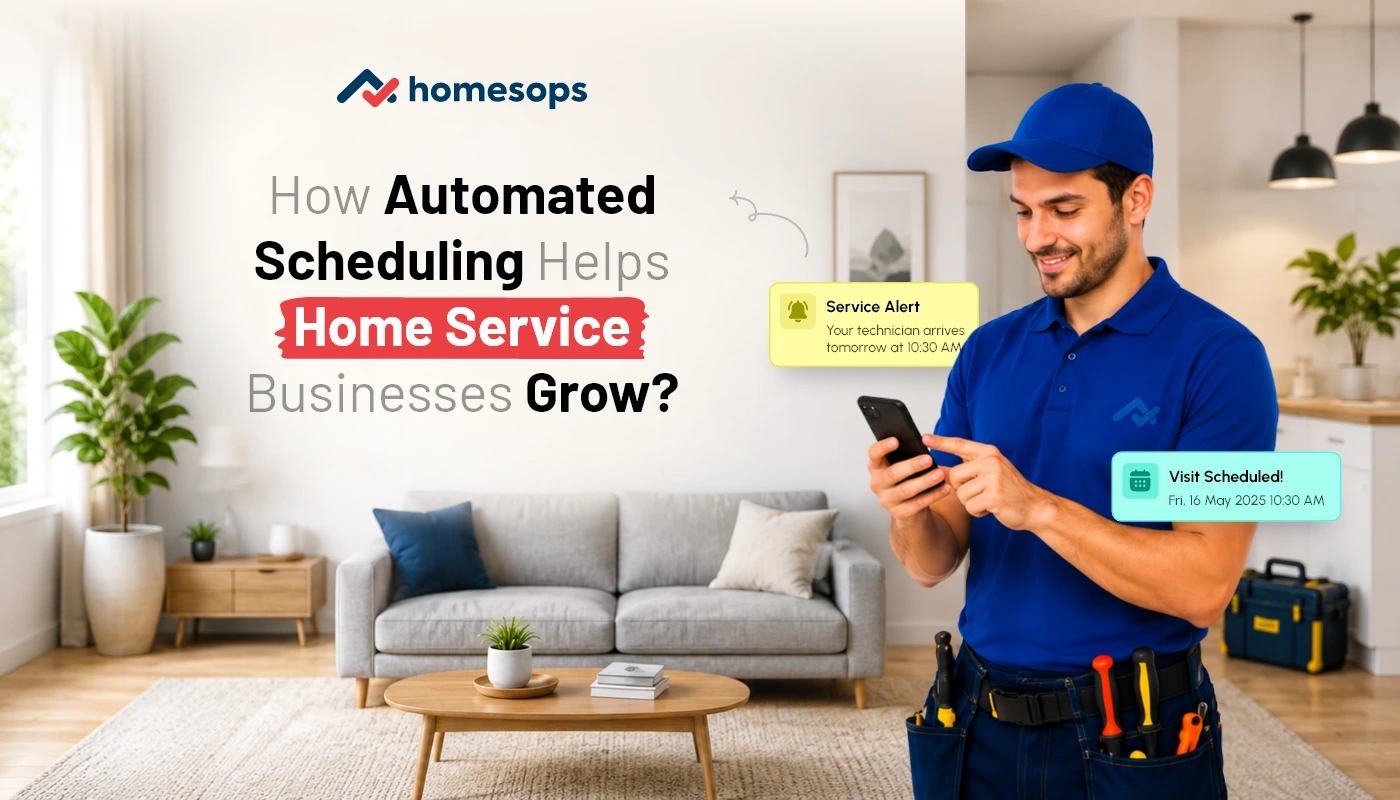
Home service businesses can automate booking and scheduling by using a centralized platform that lets customers select services, view available time slots, confirm appointments, receive reminders and track technicians without calling the office.
The same system can automatically create work orders, assign qualified technicians, update calendars, send notifications and reschedule appointments when availability changes. This reduces repetitive administrative work while giving customers a faster and more convenient booking experience.
For HVAC companies, plumbers, roofers, electricians, cleaners and maintenance providers, automated scheduling connects the customer journey with day-to-day field operations.
What Is Automated Booking and Scheduling?
Automated booking and scheduling is the use of software to manage service requests, appointment availability, technician assignments, confirmations, reminders and schedule updates.
Instead of recording every request manually, a business can allow customers to book through a website or home services app. The platform collects important details, such as:
- Required service
- Customer address
- Preferred date and time
- Issue description
- Property information
- Urgency level
- Contact details
- Photographs or supporting documents
Once submitted, the request can be converted into an appointment or work order and added to the scheduling dashboard.
How Does Home Service Booking Automation Work?
Home service booking automation usually follows a connected workflow.
1. The customer selects a service
Customers open a website, customer portal, home maintenance app, or mobile application and choose the service they need.
For example, a plumbing customer may select leak repair, drain cleaning, water-heater inspection, or emergency assistance.
2. The system displays available time slots
The booking system checks business hours, service areas, technician availability, estimated job duration and existing appointments before displaying available options.
This prevents customers from requesting time slots that the business cannot fulfil.
3. The booking is recorded automatically
After the customer confirms an appointment, the platform creates a service request or work order. The office team does not need to copy information from an email, form, or telephone note into a separate calendar.
4. A technician is assigned
Scheduling software can recommend or assign a technician based on predefined conditions, including:
- Required skills
- Service location
- Working hours
- Current workload
- Technician availability
- Appointment priority
- Expected service duration
A dispatcher can review or adjust the assignment when necessary.
5. Notifications are sent
The system can send booking confirmations, appointment reminders, technician arrival updates, rescheduling notices and completion messages through email, SMS, push notifications, or in-app alerts.
6. The schedule updates in real time
When a booking is cancelled, delayed, or rescheduled, the calendar can update across the office dashboard and technician application. This gives the team a shared view of the latest schedule.
Why Should Home Service Businesses Automate Scheduling?
Automated scheduling helps connect customer requests with technician operations. Its main purpose is not simply to replace a paper calendar. It creates a repeatable booking process that can be monitored and managed from one system.
Offer 24/7 online booking
Customers may need a repair after office hours or while staff members are unavailable. An on demand home services app allows them to submit requests and select available appointments at any time.
Emergency requests can also be marked for immediate review instead of remaining in an unanswered voicemail inbox.
Reduce manual data entry
Telephone bookings often require office staff to record contact details, service requirements, addresses and appointment times manually.
Booking automation captures this information directly from the customer and transfers it into the scheduling workflow. This reduces repeated entry across calendars, spreadsheets, messaging tools and work-order systems.
Prevent scheduling conflicts
A centralized calendar can check availability before confirming an appointment. It can also account for technician working hours, blocked time, existing jobs, service regions and required skills.
This helps prevent double bookings and assignments that do not match the technician’s capabilities.
Improve technician allocation
Automated scheduling can help dispatchers compare multiple assignment factors instead of selecting the first available employee.
For example, plumbing service scheduling software can help match a water-heater repair request with a qualified plumber who is working nearby and has enough time available to complete the job.
Keep customers informed
Automated confirmations and reminders tell customers when an appointment has been booked and when they should expect the technician.
Some systems can also send updates when a technician is dispatched, delayed, or approaching the property.
Manage more bookings from one system
As a service company grows, its booking volume, workforce, locations and service categories may also increase. A structured home service business management platform makes it easier to organize these activities without creating disconnected scheduling processes for each team.
What Features Should Scheduling Software Include?
Home service scheduling software should support the complete process from customer request to service completion.
Important capabilities include:
Customer self-service booking
Customers should be able to select services, enter job details, choose available time slots and manage appointments without contacting the office for every change.
Centralized scheduling calendar
Dispatchers need a real-time view of technician availability, booked jobs, cancelled appointments, travel time, blocked hours and unassigned requests.
Skill-based technician assignment
The system should match appointments with technicians who have the appropriate skills, certifications, tools and service-area coverage.
Automated reminders
Confirmation and reminder workflows can notify customers before the appointment and provide simple instructions for confirming, cancelling, or rescheduling.
Work-order management
Every booking should generate a structured work order containing the customer’s details, service history, appointment information, technician assignment, notes and job status.
Mobile access for technicians
A technician-facing home repair app should provide schedules, addresses, work-order information, customer notes, navigation details and status-update tools.
Customer and technician tracking
Where appropriate and permitted, live status updates can help dispatchers monitor job progress and inform customers when technicians are on their way.
Payment and invoicing integration
Connecting appointments with estimates, invoices, digital payments, refunds and service records creates a more complete operational workflow.
Reporting and analytics
Businesses should be able to monitor booking sources, cancellation patterns, technician utilization, service demand, appointment completion and response times.
How Does Automated Scheduling Reduce Missed Appointments?
Automated scheduling reduces missed appointments by keeping customers and service teams informed throughout the booking process.
A confirmation message verifies that the appointment has been created. Reminder messages notify the customer before the scheduled date, while rescheduling links make it easier to change the appointment instead of missing it.
The system can also alert technicians about new assignments, schedule changes, customer cancellations and approaching appointment times. When everyone works from the same updated calendar, there is less risk of appointments being overlooked because of outdated spreadsheets, handwritten notes, or disconnected messages.
Automation cannot guarantee that every customer will attend an appointment. However, it can create a clearer confirmation and communication process.
Can AI Improve Scheduling Efficiency?
AI can support field service scheduling by evaluating factors such as technician availability, skills, location, travel requirements, job priority and estimated duration.
It may also help recommend appointment slots, identify potential conflicts, reorganize assignments when conditions change and respond to routine booking requests through conversational assistants.
AI recommendations still depend on accurate business data and properly defined scheduling rules. Companies should therefore maintain technician profiles, service durations, availability records, territories and work-order information.
Human dispatchers should remain involved when a job involves unusual requirements, safety concerns, customer disputes, or complex operational decisions.
How to Start Automating Home Service Bookings
Begin by documenting the existing booking process. Identify how requests arrive, where information is recorded, who assigns technicians, how customers receive updates and where delays occur.
Next, define the services, locations, appointment durations, technician skills, working hours, emergency rules and rescheduling policies that the platform must support.
The selected home services app should then be integrated with relevant systems, such as customer records, payments, accounting software, maps, communication tools and technician calendars.
Businesses can start with online booking, confirmations and reminders before introducing advanced dispatch optimization and AI-assisted scheduling.
Automate Booking and Scheduling With HomesOps
HomesOps helps home service businesses bring customer booking, scheduling, dispatching, work orders, communication and operational management into one branded platform.
Customers can use a digital booking experience to request services and receive updates, while office teams can manage appointments, technicians and service activity from a centralized system.
By connecting a customer-facing home maintenance app with field-service operations, businesses can reduce disconnected processes and create a more consistent journey from the initial booking to job completion.
Turn Every Service Request into a Confirmed Booking Faster
Manage bookings, scheduling, reminders, and service updates with HomesOps.
Frequently Asked Questions
Automated home service booking provides 24/7 appointment access, reduces manual data entry, prevents avoidable scheduling conflicts, sends timely customer reminders and creates work orders automatically. It also helps office teams manage service requests and technician availability through one centralized system.
AI in home service scheduling is expected to support more responsive appointment recommendations, technician matching, route planning, workload balancing, customer communication and real-time schedule adjustments. Human oversight will remain important for complex jobs, exceptions, safety decisions and customer-sensitive situations.
Automated scheduling reduces missed appointments through immediate confirmations, advance reminders, technician notifications, live schedule updates and convenient rescheduling options. It gives customers and employees access to the same current appointment information.
Home service scheduling software should include online booking, availability management, technician assignment, work orders, automated notifications, mobile technician access, customer records, payment integration, reporting and role-based permissions. Multi-location companies may also require territory and franchise-management capabilities.
Yes. AI can analyse availability, skills, travel requirements, job duration, location, urgency and existing appointments to recommend suitable assignments. Its effectiveness depends on accurate operational data, clearly configured rules and human review for exceptional or complex service requests.
Customer service automation is used to answer routine questions, collect booking details, confirm appointments, send reminders, share service updates, route requests and escalate complex issues to employees. In home services, it can connect customer conversations directly with booking and scheduling workflows.
AI can help field service companies compare scheduling variables, recommend technicians, reorganize appointments, identify conflicts and respond to booking requests. It supports dispatchers by processing operational information more quickly, but it should not replace human judgment in every scheduling situation.
Field service automation can support HVAC, plumbing, electrical, roofing, appliance repair, cleaning, pest control, landscaping, telecommunications, utilities, equipment maintenance, facilities management, healthcare services and other industries that dispatch employees to customer locations.
Discuss Your Project
Latest Blogs
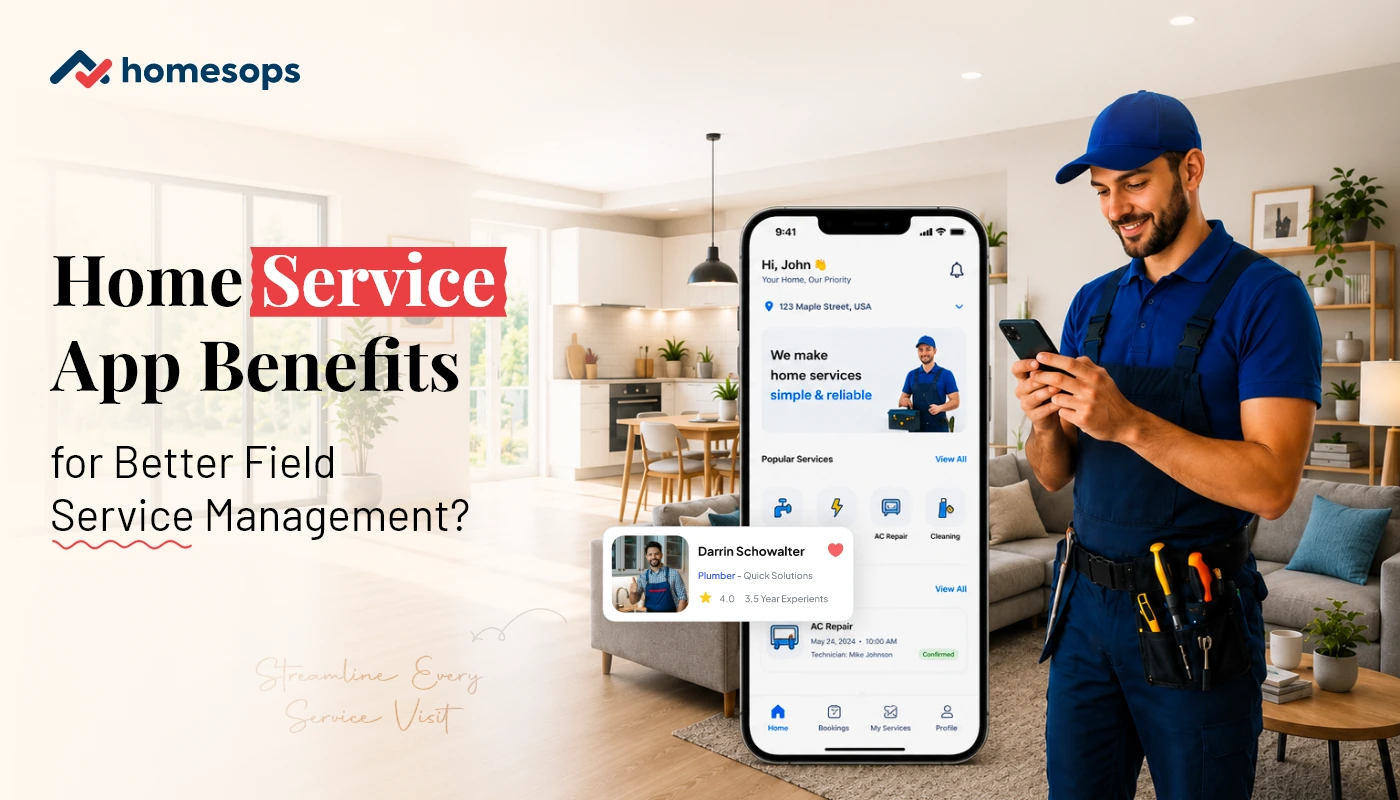
How Home Service Apps Improve Field Service Management Efficiency?
A home services app improves field service management efficiency by automating scheduling, dispatch, job tracking and customer communication, replacing manual processes that slow technicians down and cost businesses revenue. For HVAC, plumbing, roofing and handyman... Read more
How AI & Data Analytics Improve Customer Experience in Home Services Apps
Customer expectations in home services have changed. People no longer want to call multiple times, wait for vague arrival windows, explain the same issue again, or wonder when a technician will show up. They want... Read more
IoT, Automation & Predictive Maintenance: The Future of Home Services Platforms
The home services industry is no longer just about fixing problems it’s about preventing them before they happen. From HVAC systems that alert technicians before failure to plumbing systems that detect leaks in real time,... Read more